
A guide on how to import goods from India
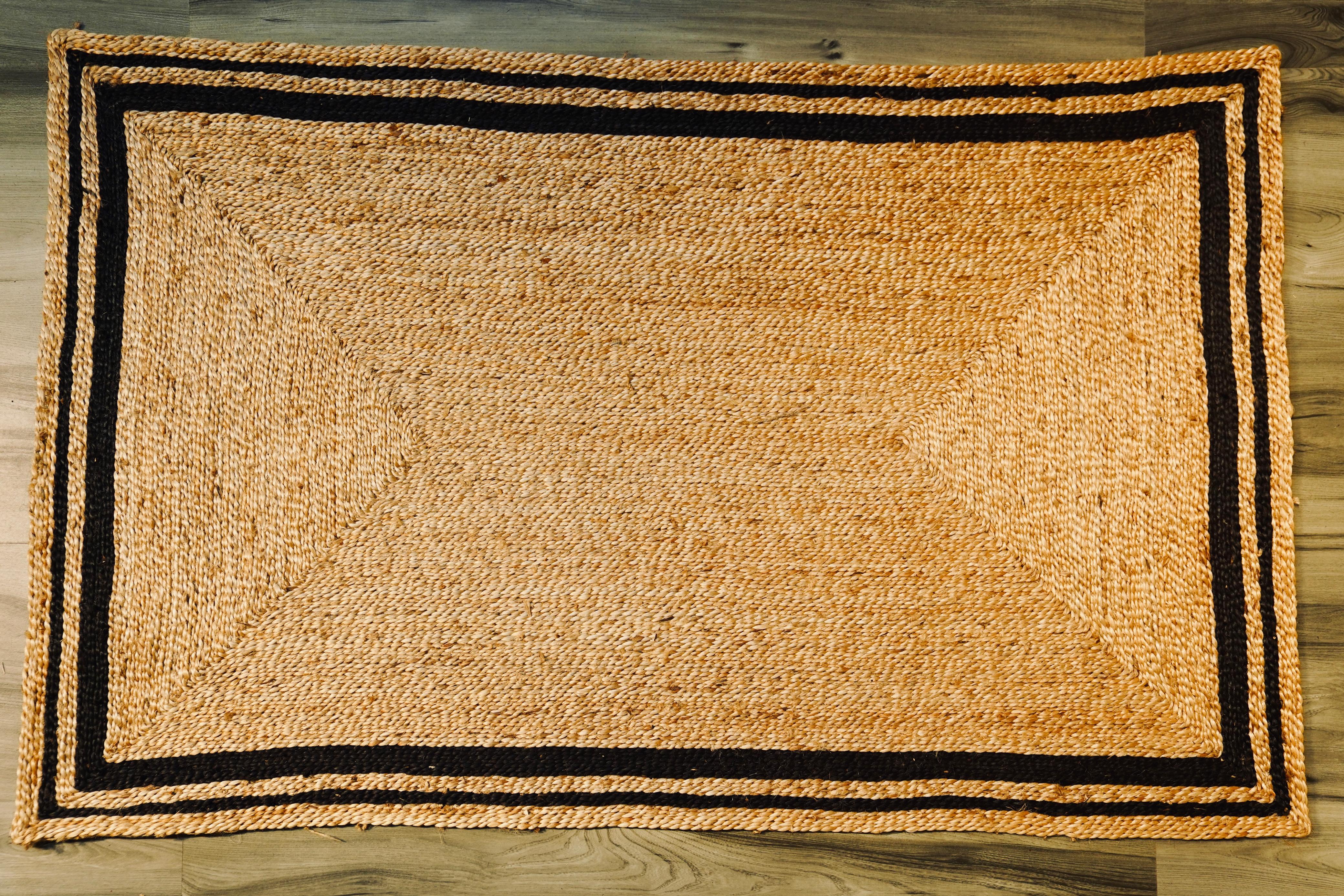
Importing products from India has become an increasingly attractive option for businesses worldwide. From Eco-friendly bags and home textiles to handicrafts, apparel and industrial goods, India offers a unique combination of quality craftsmanship, competitive pricing and large-scale manufacturing capabilities after China.
However, if you're going to import from India for the first time, the process can seem overwhelming. Questions about finding reliable suppliers, understanding export documentation, shipping logistics and quality control are common.
This step-by-step guide will help you navigate the importing process with confidence and build a successful sourcing partnership.
Why Import from India?
India is one of the world's leading manufacturing and export hubs. Businesses across the globe source products from India because of several key advantages:
- Competitive manufacturing costs
- Skilled workforce with decades of industry expertise
- Wide range of export-quality products
- Strong focus on customization
- Growing adoption of sustainable manufacturing practices
- Well-established global shipping infrastructure
Whether you're a wholesaler, retailer, distributor or brand owner, importing from India can improve your product offerings while maintaining healthy profit margins.
Step 1: Identify the Right Product
Before reaching out to suppliers, define exactly what you're looking for.
Ask yourself:
- What product do you want to import?
- What specifications are required?
- Which materials should be used?
- What size, colour or packaging do you need?
- What certifications are required in your country?
Having clear product requirements helps suppliers provide accurate quotations and avoids costly misunderstandings later.
Step 2: Research Reliable Suppliers
Choosing the right supplier is one of the most important decisions you'll make.
Look for manufacturers who have:
- Export experience
- Positive customer reviews
- Quality certifications
- Transparent communication
- Custom manufacturing capabilities
- Consistent production capacity
Don't focus only on the lowest price. A reliable supplier who delivers consistent quality and meets deadlines will save you far more money in the long run but not in the first consignment.
Step 3: Request Product Samples
Never place a bulk order without evaluating samples.
A sample allows you to verify:
- Material quality
- Workmanship
- Stitching and finishing
- Colour accuracy
- Packaging standards
- Overall durability
Testing samples helps ensure the final production meets your expectations.
Step 4: Compare Quotations Carefully
When reviewing supplier quotations, compare more than just the unit price.
Consider:
- Minimum Order Quantity (MOQ)
- Production timeline
- Packaging costs
- Custom branding charges
- Shipping terms
- Payment terms
A slightly higher price may include better quality control, stronger packaging, or faster delivery.
Step 5: Understand Incoterms
International trade uses standardized shipping terms known as Incoterms.
Some common options include:
FOB (Free On Board)
The supplier delivers the goods to the shipping port and the buyer manages the freight.
CIF (Cost, Insurance & Freight)
The supplier arranges shipping and insurance to the destination port.
EXW (Ex Works)
The buyer takes responsibility for transportation from the supplier's factory.
Discuss these terms carefully to avoid unexpected costs.
Step 6: Confirm Quality Control
Quality inspections should never be overlooked.
Professional exporters usually perform:
- Raw material inspection
- In-process quality checks
- Final product inspection
- Packaging inspection
- Pre-shipment inspection
Many buyers also hire independent inspection agencies before shipment. If supplier is reliable then it's not required with additional fees.
Step 7: Finalize Payment Terms
Common international payment terms include:
- Bank Transfer (T/T)
- Letter of Credit (L/C)
- Advance Payment (T/T)
- Partial Advance + Balance Before Shipment (T/T)
Always agree on payment terms before production begins.
Step 8: Prepare Export Documentation
Proper documentation ensures smooth customs clearance.
Typical export documents include:
- Commercial Invoice
- Packing List
- Bill of Lading or Airway Bill
- Certificate of Origin
- Insurance Documents (if applicable)
Experienced exporters usually handle these documents accurately to minimize delays of customs clearance at the destination.
Step 9: Arrange Shipping
Depending on your order size, shipping options may include:
Sea Freight
Ideal for bulk orders with lower transportation costs.
Air Freight
Best for urgent shipments or smaller quantities.
Discuss estimated transit times, freight costs and customs procedures with your logistics partner.
Step 10: Clear Customs in Your Country
Once your shipment arrives, you'll need to:
- Pay applicable import duties and taxes
- Submit customs documentation
- Complete customs clearance
- Arrange local transportation to your warehouse
Working with a customs broker can simplify this process, especially for first-time importers.
Common Mistakes First-Time Importers Should Avoid
Many new importers face avoidable challenges. Some of the most common mistakes include:
- Choosing suppliers based only on price
- Skipping sample approval
- Ignoring quality inspections
- Misunderstanding shipping terms
- Not verifying certifications
- Underestimating shipping timelines
- Poor communication regarding product specifications
Avoiding these pitfalls can save significant time and money.
Tips for Building a Long-Term Supplier Relationship
Successful importing isn't just about one shipment—it's about creating a reliable partnership.
To build strong relationships:
- Communicate clearly and professionally.
- Provide detailed product specifications, reliable manufacturers always provuides detailed quotation.
- Respect agreed timelines.
- Give constructive feedback after deliveries.
- Plan orders in advance.
- Maintain regular communication throughout production.
A trusted supplier becomes a valuable extension of your business.
Why Partner with an Experienced Indian Exporter?
An experienced export partner can simplify every stage of the importing process by offering:
- Product sourcing expertise
- Customized manufacturing
- Strict quality assurance
- Export documentation support
- Reliable shipping coordination
- Transparent communication
- On-time deliveries
Working with an export-focused company reduces risk and allows you to concentrate on growing your business.
Final Thoughts
Importing from India is a strategic way to access high-quality products at competitive prices while benefiting from a diverse and capable manufacturing ecosystem. Success depends on careful planning, choosing the right supplier, maintaining quality standards and understanding international trade procedures. You should not insist on lowst price rather insist on right price, clear communications, detailed quotation and prompt response.
Whether you're importing Eco-friendly bags, home textiles, handicrafts, apparel or other manufactured goods, following a structured approach can help you avoid common mistakes and establish a dependable supply chain.
With the right preparation and a trusted export partner, importing from India can become a smooth, profitable and long-term business opportunity.